Diesel emissions idle at below one percent
15 April 2021
With more than 6000 vehicles tested in the previous financial year, the specialised testing unit is ensuring that motorists keep their emissions in check.
The City’s specialised diesel emissions testing unit continues to make great strides in keeping diesel emissions in check.
The emission of dark smoke from vehicles that are using public roads is a contravention of the City’s Air Quality Management By-law.
The unit was constituted as part of the City’s air quality management plan. It is tasked with ensuring that heavy-duty diesel vehicles comply with the prescribed emission rates.
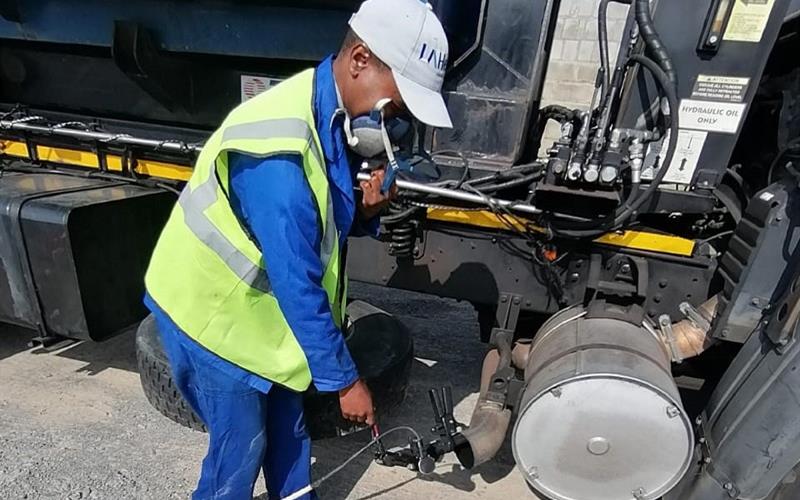
Pollution from motor vehicles remains the biggest challenge to ambient air quality. With the continued deterioration in operating conditions of the passenger rail network, many commuters have been forced to rely upon private or public motorised transport. This has further worsened congestion on the road network, but has also resulted in an increase in vehicular emissions.
In the last financial year, the unit tested 6 268 vehicles, of which just seven failed. Testing statistics were impacted by the hard lockdown from April until June 2020.
‘Vehicle emissions are one of the biggest factors impacting air quality, particularly the dark emissions from diesel-powered vehicles. By having the emissions testing unit on hand, the City is able to tackle this issue proactively. However, this is not a punitive exercise – vehicle owners are given an opportunity to fix any problems identified first, and only if they remain non-compliant, is stronger action taken. The unit, through its work, also helps fleet owners keep their vehicles in a good condition,’ said the City’s Mayoral Committee Member for Community Services and Health, Councillor Zahid Badroodien.
Emissions testing is done at the roadside, in a safely demarcated area, in collaboration with the Cape Town Traffic Service.
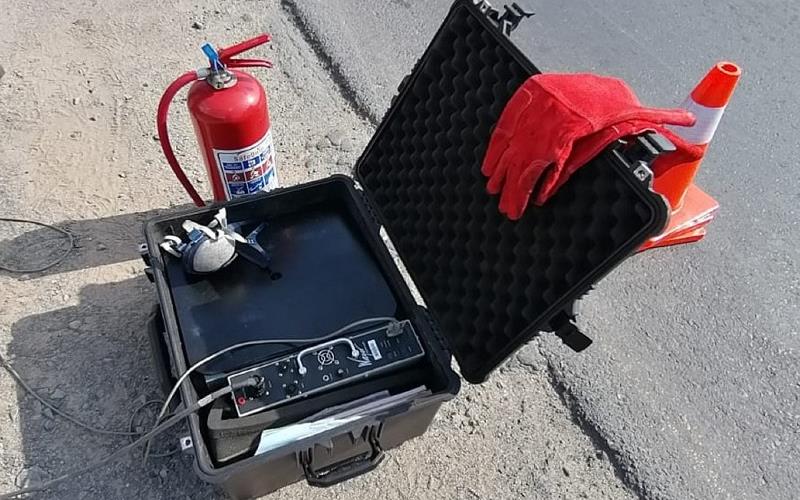
Drivers are requested to put their vehicles in neutral, after which the vehicle temperature is checked. The actual test begins when the driver, or the testing officer, accelerates the vehicle to cut off point, several times, to check the emissions.
Once the official is satisfied that there are no dark smoke emissions from the vehicle, a certificate of compliance is handed to the driver.
The City has a range of monitoring and evaluation systems and processes to detect and act on air pollution. This includes an air quality monitoring network that is managed by the Scientific Services Air Quality Laboratories. The network consists of 42 analysers at 13 ambient air quality monitoring stations located across the city. Currently, a process is under way to replace ageing analysers.
Five years ago, the City also installed a high-powered camera monitoring network on the antennae located on Tygerberg Hills. The Air Quality Management Unit has access to live feeds from this network, which allows for remote monitoring of dark smoke emissions.
‘We are satisfied with the rate of compliance, especially considering that when this testing was first started around the turn of the century, the non-compliance rate was at nearly 20 percent. Apart from the proactive testing, factors such as improved engine technology, fleet maintenance and fuel reformulation have also played a role in the increased compliance rates.
‘Cape Town is also clearly making an impact, as we have other municipalities conducting visits to assess our programme. Most recently, we had delegates from the eMalahleni Municipality in Mpumalanga join the testing unit to see how things are done,’ added Councillor Badroodien.
How can the public assist?
- By ensuring that their vehicles are in sound mechanical condition, and that any excess emissions be addressed timeously
By limiting the time spent in their vehicles, where possible, and considering carpooling or alternative modes of transport
By reporting vehicles emitting dark smoke to the City’s Air Quality Management Unit on 021 590 5200 during office hours
Complaints need to include the details of the person reporting the incident, as well as the details of the offending vehicle (make and registration number), time, date and location of the offence and the direction the vehicle was travelling in
End
Published by:
City of Cape Town, Media Office